The terms PMP (Polymethylpentene) and PP (Polypropylene) refer to materials used in oxygenation membranes, particularly in medical devices like extracorporeal membrane oxygenation (ECMO) or oxygenators. These membranes are critical for gas exchange (oxygenation and carbon dioxide removal) in blood during procedures like ECMO, cardiopulmonary bypass, or other respiratory support systems.
Here’s a comparison of PMP vs PP oxygenation membranes:
1. Material Properties
- PMP (Polymethylpentene):
- Gas Permeability: PMP has excellent gas exchange properties, making it highly efficient for oxygen and CO₂ transfer.
- Hydrophobicity: PMP is hydrophobic, which reduces plasma leakage and improves durability during prolonged use.
- Biocompatibility: PMP is highly biocompatible, reducing the risk of blood cell damage or clotting.
- Durability: PMP membranes are more durable and resistant to degradation over time compared to PP.
- PP (Polypropylene):
- Gas Permeability: PP has good gas exchange properties but is generally less efficient than PMP.
- Hydrophobicity: PP is also hydrophobic, but it may be more prone to plasma leakage over time compared to PMP.
- Biocompatibility: PP is biocompatible but may cause slightly more blood cell damage or clotting compared to PMP.
- Durability: PP membranes are less durable and may degrade faster, especially during prolonged use.
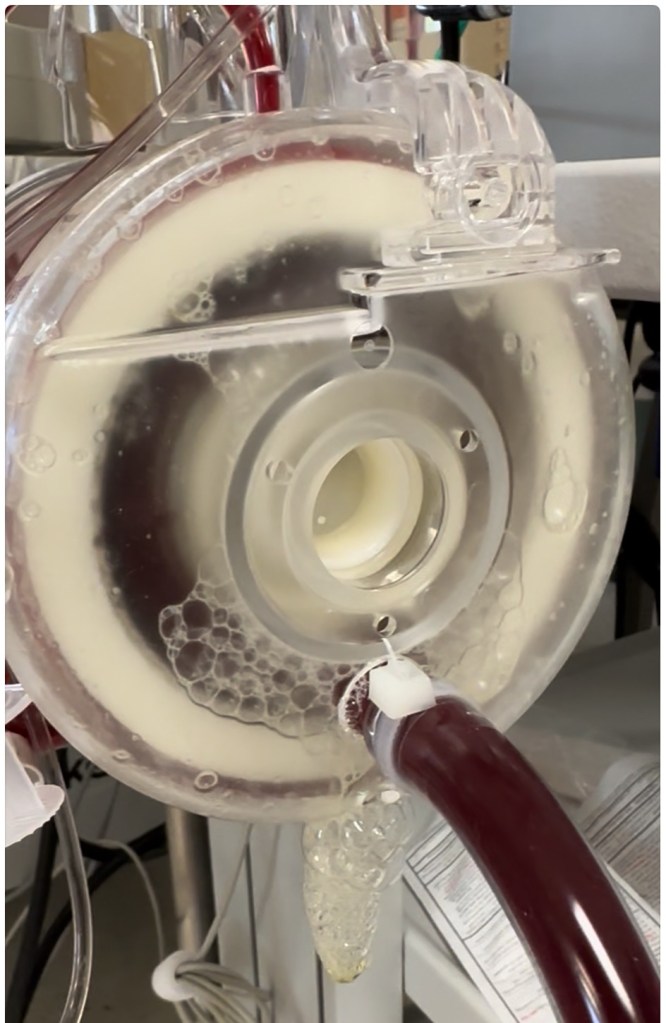
2. Performance in Oxygenators
- PMP:
- PMP membranes are considered superior for long-term ECMO or respiratory support due to their higher efficiency and durability.
- They are less likely to fail or require replacement during extended use.
- PMP membranes are often used in modern ECMO systems for their reliability and performance.
- PP:
- PP membranes are more commonly used in short-term applications, such as cardiopulmonary bypass during surgery.
- They are less expensive but may not be suitable for long-term use due to potential plasma leakage and reduced efficiency over time.
3. Cost
- PMP: Generally more expensive due to its superior performance and durability.
- PP: More cost-effective, making it a common choice for short-term applications.
4. Clinical Applications
- PMP:
- Preferred for long-term ECMO support.
- Used in critical care settings where prolonged oxygenation is required.
- PP:
- Commonly used in short-term procedures like cardiopulmonary bypass.
- Less suitable for long-term use due to potential performance degradation.
5. Advantages and Disadvantages
- PMP Advantages:
- Higher gas exchange efficiency.
- Better durability and resistance to plasma leakage.
- Ideal for long-term use.
- PMP Disadvantages:
- Higher cost.
- PP Advantages:
- Lower cost.
- Suitable for short-term applications.
- PP Disadvantages:
- Less efficient for long-term use.
- More prone to plasma leakage and degradation.
Summary
- PMP membranes are the preferred choice for long-term oxygenation support (e.g., ECMO) due to their superior gas exchange efficiency, durability, and biocompatibility.
- PP membranes are more cost-effective and suitable for short-term applications, such as cardiopulmonary bypass during surgery.
The choice between PMP and PP depends on the clinical context, duration of use, and budget considerations.

 ECMO World
Leave a comment