Blog

  • ELSO Center Certification

    This is just my interpretation of available materials please feel free to share your ideas

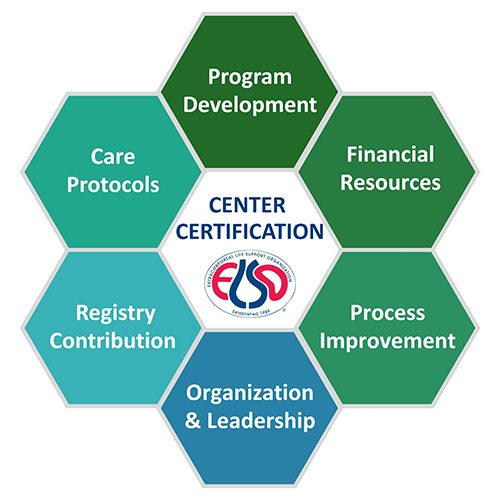
    ELSO operates multiple certification programs for extracorporeal life support (ECLS/ECMO) centers globally, with over 750 centers from 66 countries currently participating in their registry. The organization offers both institutional certification programs and individual practitioner certification, with a focus on standardizing ECMO practice and ensuring quality patient care across all age groups.

    Certification Levels and Categories

    Institutional Certification Programs

    1. ECLS Center Certification

    • Basic certification establishing global standards for ECMO/ECLS programs
    • Addresses key components: team education, policies/procedures, governance, financial management, and research
    • Valid for ongoing operations with renewal requirements

    2. ELSO Award of Excellence (Center of Excellence)

    • Three award levels: Silver, Gold, and Platinum
    • Silver: Path to certification level
    • Gold: Standard level of excellence
    • Platinum: Highest possible quality of care (approximately 30 programs worldwide)
    • Awards valid for 3 years with recertification required
    • Recognized by U.S. News & World Report and Parents magazine

    Patient Population Categories

    Available certification types by age group:

    • Adult ECMO programs
    • Pediatric ECMO programs
    • Neonatal ECMO programs
    • Combined programs (treating all age groups)

    Support type categories:

    • Pulmonary support
    • Cardiac support
    • ECPR (Extracorporeal Cardiopulmonary Resuscitation)

    Individual Certification

    E-AEC (ELSO Adult ECMO Certification)

    • Valid for 3 years with renewal required
    • Open to MDs, NPs, PAs, RNs, RRTs, CCPs, and other healthcare professionals
    • Includes NBME-style proctored exam
    • Cost: $300 for 3-year certification

    E-NPEC (ELSO Neonatal and Pediatric ECMO Certification)

    • Currently in development/future launch
    • Will follow similar structure to E-AEC

    Eligibility Criteria

    Basic Requirements

    • Must be active ELSO member center
    • Must participate in ELSO Registry
    • Must demonstrate established ECMO/ECLS program operations

    Award of Excellence Criteria

    Centers must demonstrate excellence in three categories:

    1. Excellence in promoting ELSO’s mission, activities, and vision
    2. Excellence in patient care using highest quality measures, processes, and structures based on evidence
    3. Excellence in training, education, collaboration, and communication supporting ELSO guidelines

    Application Process Steps

    Pre-Application Requirements

    1. Critical first step: Review “Before You Apply” section
    2. Review ECLS Center Certification Methodology document
    3. Ensure active ELSO membership
    4. Assess initial eligibility criteria

    Application Submission

    1. New centers only: Use new center application process
    2. Existing centers: Use renewal processes through member login portal
    3. Submit comprehensive application covering:
    • Clinical activity documentation
    • Quality control systems
    • Training programs
    • Patient/family support processes
    1. Pay non-refundable application fee at submission

    Application Contact

    • Center Certification: CenterCertification@ELSO.org
    • Award of Excellence: award@elso.org
    • General Support: support@elso.org | (734) 293-2101

    Required Documentation

    Core Documentation Areas

    • Clinical Activity Records: Case volumes, patient populations, outcomes data
    • Quality Control Systems: Policies, procedures, quality improvement processes
    • Training Programs: Staff education records, competency assessments
    • Governance Structures: Organizational charts, reporting relationships
    • Financial Management: Budget documentation, resource allocation
    • Research Activities: Current research participation, publications

    Specific Requirements

    • Established policies and procedures for patient care
    • Comprehensive training and education documentation
    • Family education program materials
    • Quality initiatives and continuous improvement records
    • 24/7 staffing capability documentation
    • Equipment and supply management protocols

    Staff Training and Credentialing Requirements

    Key Personnel Requirements

    Medical Director

    • Overall responsibility for protocols, policies, education
    • Must champion ECMO program to upper administration
    • Responsible for patient selection criteria

    ECLS Coordinator

    • Designated position for training and education implementation
    • Responsible for policies, procedures, quality initiatives
    • Manages data collection and supplies

    Staff Training Standards

    • Comprehensive education processes based on ELSO Guidelines for Training and Education
    • Formal training programs for all ECLS specialists
    • Database entry exam required for all new centers and data entry personnel
    • Ongoing competency assessment and continuing education
    • Crisis support processes for staff after critical incidents

    Individual Certification Requirements

    • E-AEC prerequisites: Complete ELSO Foundations Adult ECMO course (53 modules, 80+ learning objectives)
    • Clinical experience demonstration required
    • Proctored certification exam passage
    • Renewal every 3 years at $300 cost

    Volume Requirements

    Registry Participation

    • Mandatory participation in ELSO Registry
    • Continuous data collection across all ECMO runs
    • Real-time validity checking for all data entries
    • Minimum dataset requirements for all centers

    Volume Considerations

    • Centers grouped by volume for peer comparison
    • Volume stratification used in quality reporting platform
    • Volume factors into Center of Excellence status determination
    • Over 190,000 ECMO runs currently in registry database

    Quality Metrics and Reporting Obligations

    ELSO Quality Reporting Platform Requirements

    Mandatory tracking metrics:

    • Survival rates
    • Major complications
    • Minor complications
    • Length of stay
    • Risk adjustment using published ECMO models (RESP, SAVE, PREP, Ped-RESCUES, Neo-RESCUERS, PIPER)

    Data Collection Standards

    • Real-time data entry with validity checking
    • Database definitions manual with practical examples
    • External validation of 10% random patient selection for Center of Excellence applicants
    • Continuous quality improvement process documentation

    Reporting Obligations

    • Benchmark reporting against ELSO or peer groups
    • Complication trend analysis (major, minor, patient, mechanical)
    • Performance tracking across time with volume-based peer comparisons
    • Registry data maintenance for quality reporting dashboard

    Site Visit and Audit Procedures

    Current Documentation

    • Limited public information available about mandatory site visits
    • Methodology documents provide detailed audit criteria
    • Award of Excellence requires compliance with policies and procedures
    • External validation component for Center of Excellence applicants

    Evaluation Process

    • Multi-focus assessment of ECLS centers
    • Evidence-based evaluation of quality measures and processes
    • “Above and beyond expectations” standard for Center of Excellence
    • Annual compliance with established standards

    Timeline for Certification

    Processing Timeline

    • Application processing time: Not specified in public documentation
    • Review process: Involves comprehensive evaluation of submitted materials
    • Decision notification: Through established communication channels

    Program Timelines

    • Award of Excellence: 3-year designation periods
    • Terms expire: December 31st of designation year
    • Individual certification: 3-year validity period

    Renewal Requirements

    Center Certification Renewal

    • Separate renewal system from new applications
    • Member login portal: “Login and click Manage, Renew Center Membership”
    • Ongoing compliance with certification standards required

    Award of Excellence Renewal

    • Annual expiration: December 31st of designation year
    • Reapplication required for renewal
    • Continuous excellence standards must be maintained

    Individual Certification Renewal

    • 3-year renewal cycle for E-AEC certification
    • Renewal process available through ELSO Academy
    • Continuing education requirements for renewal

    Costs and Fees

    Application Fees

    • Non-refundable application fee required at submission
    • Specific amounts: Not disclosed in public documentation
    • Fee inquiries: Contact support@elso.org or (734) 293-2101

    Individual Certification Costs

    • E-AEC certification: $300 for 3-year period
    • Training courses: Costs vary by program

    Additional Costs

    • Registry participation: Included in membership
    • Quality reporting platform: Included in certification
    • Renewal fees: Contact ELSO for specific amounts

    Program Benefits and Recognition

    For Centers

    • Global recognition of ECMO excellence
    • Quality assurance to healthcare community
    • Structured framework for program development
    • Peer benchmarking capabilities
    • Enhanced reputation and patient confidence

    For Practitioners

    • Standardized competency recognition
    • Career advancement opportunities
    • Global recognition of expertise
    • Continuing education framework
    • Professional development pathway

    Key Contact Information

    • Center Certification: CenterCertification@ELSO.org
    • Award of Excellence: award@elso.org
    • Training Programs: ecmotraining@elso.org
    • General Support: support@elso.org
    • Phone: (734) 293-2101

    Conclusion

    ELSO’s certification programs provide comprehensive standards for ECMO/ECLS centers globally, with emphasis on quality patient care, staff competency, and continuous improvement. The multi-tiered approach allows centers to progress from basic certification to recognized excellence, while individual certification ensures practitioner competency. Direct contact with ELSO is recommended for specific fee schedules, detailed procedures, and access to complete methodology documents, as some information is restricted to registered applicants and certified centers.

  • ECPR and the Role of the ECMO Team in Rapid Resuscitative Support

    Introduction

    Extracorporeal Cardiopulmonary Resuscitation (ECPR) is an advanced resuscitative strategy that combines conventional cardiopulmonary resuscitation (CPR) with the emergent use of veno-arterial extracorporeal membrane oxygenation (VA-ECMO) during cardiac arrest. Its goal is to restore circulation and oxygenation when traditional efforts fail. ECPR requires a specialized, multidisciplinary ECMO team, strict patient selection, and streamlined infrastructure. Recent European guidelines, as well as the integration of mechanical CPR devices and end-tidal CO₂ (ETCO₂) monitoring, are shaping modern standards of care.

    Definition and Indications

    ECPR is defined as the initiation of VA-ECMO during ongoing chest compressions for patients in cardiac arrest who have not achieved return of spontaneous circulation (ROSC). ECPR may be considered for:

    Witnessed cardiac arrest with immediate bystander CPR Initial shockable rhythm (ventricular fibrillation or pulseless ventricular tachycardia) Short no-flow time (<5 minutes) and total low-flow time (<60 minutes) Reversible causes (e.g., myocardial infarction, pulmonary embolism, drug overdose, hypothermia)

    Core Program Requirements and Criteria

    1. Institutional Requirements

    24/7 ECMO team availability Rapid response and transport systems Access to cardiac cath lab, interventional radiology, and intensive care services Integration with emergency medical services (EMS) and prehospital triage protocols

    2. Team Composition

    ECMO-trained physicians (intensivists, cardiothoracic surgeons, emergency physicians) ECMO specialists (perfusionists, nurses, or respiratory therapists) Support personnel: radiology, pharmacy, blood bank, and ethics committee

    3. Patient Selection Criteria

    Inclusion Criteria

    Age: typically 18–65 (may vary by center) Witnessed arrest with prompt CPR (no-flow time <5 minutes) Initial shockable rhythm or signs of neurologically viable circulation (e.g., reactive pupils) ETCO₂ >10–15 mmHg during CPR (marker of adequate perfusion and likelihood of survival) Presumed reversible etiology Arrest-to-ECMO time goal: <60 minutes

    Exclusion Criteria

    Unwitnessed arrest Prolonged no-flow or low ETCO₂ (<10 mmHg after 20 minutes) Multi-organ failure or terminal illness Severe neurologic injury or DNR status Refractory asystole without reversible cause

    Integration of Mechanical CPR and ETCO₂ Monitoring

    Mechanical CPR Devices (e.g., LUCAS, AutoPulse)

    Provide consistent chest compressions during transport, imaging, or cannulation Allow safe and uninterrupted compressions during ECMO cannulation Improve CPR quality, reduce team fatigue, and free staff for parallel tasks Now recommended by ERC (European Resuscitation Council) and ECLS guidelines as part of structured ECPR response

    End-Tidal CO₂ (ETCO₂) Monitoring

    ETCO₂ is a surrogate marker of perfusion during CPR Persistent ETCO₂ >10–15 mmHg suggests ongoing tissue perfusion and is associated with increased likelihood of ROSC and favorable neurologic outcome Sudden rise in ETCO₂ often precedes ROSC ETCO₂ trending is a key decision-making tool for ECPR candidacy

    European Standards and Guidelines

    The European Resuscitation Council (ERC) and European Extracorporeal Life Support Organization (EuroELSO) emphasize the following in their 2021–2023 updates:

    Structured Inclusion Algorithms: Ensure rapid triage based on arrest setting, rhythm, CPR quality, and reversibility of the cause Prehospital Coordination: Implement prehospital alerts and direct transport to ECMO-capable centers Time Targets: Recommended arrest-to-cannulation time under 60 minutes; shorter intervals correlated with better outcomes Specialized ECPR Centers: Emphasis on centralized, high-volume hubs with simulation-trained teams, post-arrest care protocols, and outcome reporting Outcome Metrics: Programs should track neurologically intact survival (Cerebral Performance Category 1–2), not just overall survival

    Role of the ECMO Team

    The ECMO team functions as the operational core of any ECPR program:

    Initial Triage: Assess candidacy using protocolized criteria Cannulation: Perform rapid vascular access under mechanical CPR with ultrasound guidance Circuit Management: Initiate and titrate ECMO flows, monitor oxygenation and perfusion, manage anticoagulation Clinical Integration: Coordinate with ED, ICU, cath lab, and neurology teams Quality Improvement: Participate in debriefings, data entry (e.g., ELSO), simulation training, and process audits

    Post-ECPR Care

    Targeted temperature management (TTM) Immediate coronary angiography or CT imaging as indicated Neurologic monitoring and prognostication Daily evaluation for recovery or futility Ethical review and family communication protocols

    Conclusion

    ECPR is a high-resource, high-impact intervention with growing global support. Its effectiveness relies on fast decision-making, clearly defined protocols, and a skilled ECMO team. The integration of European best practices, mechanical CPR devices, and ETCO₂ monitoring has improved consistency, patient selection, and outcomes. As ECPR continues to evolve, ongoing investment in training, simulation, and quality assurance is critical to its success.

  • Chaos Theory, Fractal Resiliance and the ECMO Team

    Navigating Disruption in Critical Care

    Chaos theory, rooted in nonlinear dynamics and systems mathematics, describes how complex systems can exhibit unpredictable behavior while still being governed by deterministic laws. One of the central ideas of chaos theory is that small changes in initial conditions—often referred to as the “butterfly effect”—can lead to vastly different outcomes. Yet, embedded within the apparent disorder of these systems are stable, self-replicating structures called fractals. These patterns repeat at various scales and retain their identity even in the face of disruption. This concept has powerful implications not only in the physical sciences but also in understanding organizational behavior, particularly in high-stakes medical environments. One such environment is the ECMO (Extracorporeal Membrane Oxygenation) team, a complex and multidisciplinary unit that operates within the unpredictable realm of critical care.i

    At first glance, comparing a medical team to a mathematical or physical system might seem abstract. However, ECMO programs, like fractal systems, rely heavily on consistent structure, repeated patterns, and adaptability. The day-to-day operations of an ECMO team involve standardized checklists, protocol-driven responses, and practiced workflows that provide a sense of predictability even amidst clinical uncertainty. Whether preparing for a new cannulation, managing a long-term patient on support, or troubleshooting circuit complications, the team draws on familiar processes that act as the “fractal foundation” of its function. These repeating operational behaviors, like fractals, retain a core shape regardless of the scale or context—whether managing one patient or scaling up to multiple cases during a surge.

    However, chaos is inevitable in critical care. Sudden equipment failures, abrupt patient deterioration, logistical delays, or team member absences can create abrupt deviations from the expected clinical path. According to chaos theory, these moments may appear random and disruptive, but they often follow hidden patterns of complexity and adaptation. In the context of an ECMO team, such disruptions may alter the immediate surface of operations, but they rarely damage the deeper structure of the team’s function. Much like a jagged coast that retains its overall shape despite erosion and weathering, the ECMO team possesses an internal logic and resilience that allows it to absorb shocks and maintain continuity.

    Consider a common example: an oxygenator begins to fail in the middle of the night. Alarms sound. The sweep gas exchange becomes erratic. The ECMO specialist recognizes the issue and contacts the perfusionist and intensivist. A rapid, coordinated response is activated. Within minutes, the team assembles, equipment is swapped, and patient stability is preserved. While this event momentarily introduces chaos into the system, it does not fracture the team’s core function. The structure—consisting of roles, protocols, experience, and communication pathways—absorbs the disruption and reestablishes equilibrium. This recovery is not accidental. It is the result of a deeply ingrained pattern of training, preparedness, and shared mental models that define how the team operates.

    Importantly, such disruptions can be catalytic rather than corrosive. They serve as points of reflection, learning, and reinforcement. After the emergency, the team may hold a debrief to examine what went well, what could be improved, and how future incidents might be managed even more effectively. This feedback loop is analogous to a fractal iteration—it refines the system by repeating and improving its core pattern over time. As a result, the team doesn’t just survive chaos; it evolves through it.

    Moreover, the resilience of the ECMO team is not purely procedural—it is deeply human. Trust, communication, adaptability, and psychological safety are key elements that allow individuals to respond to unpredictable situations without becoming overwhelmed. Just as fractals maintain consistency across scale, so too does the ECMO team rely on micro-interactions—one conversation, one handoff, one subtle adjustment—to reinforce the broader pattern of stability and cohesion. A well-functioning ECMO team operates with a shared understanding that chaos is not the exception, but part of the landscape. Their strength lies not in avoiding disruption, but in responding to it without disintegrating.

    This principle extends beyond emergency scenarios. Staffing shortages, changes in policy, evolving guidelines, or the introduction of new technology all represent forms of organizational chaos. Yet, ECMO teams that are rooted in clear structure and open communication are able to flex, adapt, and incorporate these changes without losing their identity. The team’s culture, forged through both routine and crisis, becomes a fractal-like scaffold—one that maintains form even when stretched or stressed.

    In essence, the ECMO team exemplifies a living model of chaos theory and fractal resilience. Its function is neither static nor immune to disorder, but rather shaped by it in constructive ways. The interplay between disruption and recovery, between unpredictability and structure, forms the very fabric of high-functioning critical care teams. Through this lens, each chaotic event becomes not a breakdown, but a recalibration—an opportunity for the system to demonstrate its robustness and capacity for renewal.

    In conclusion, chaos theory offers a powerful framework for understanding how ECMO teams operate under pressure. Far from being fragile or linear, these teams thrive in dynamic environments because of their fractal-like design: structured, adaptive, and self-sustaining. When chaos inevitably emerges, the team bends but does not break—returning not just to normal function, but often to a stronger, more informed version of itself. In this way, the ECMO team mirrors the very essence of chaos theory: finding enduring order in the face of seeming disorder.

  • Can Chlorhexidine Damage ECMO Tubing? What Every ECMO Team Should Know

    Chlorhexidine (CHG) is a cornerstone of infection prevention in critical care, and it’s widely used during ECMO cannulation and site maintenance. But many clinicians wonder: Can chlorhexidine degrade ECMO tubing or cannulas?

    Yes — if not used carefully.

    Why It Matters

    ECMO circuits are made of materials like polyvinyl chloride (PVC), polyurethane, and silicone. These materials support life-sustaining procedures but can be sensitive to certain chemicals — especially solvents like isopropyl alcohol, which is often combined with CHG in skin prep solutions.

    Material Breakdown Risk

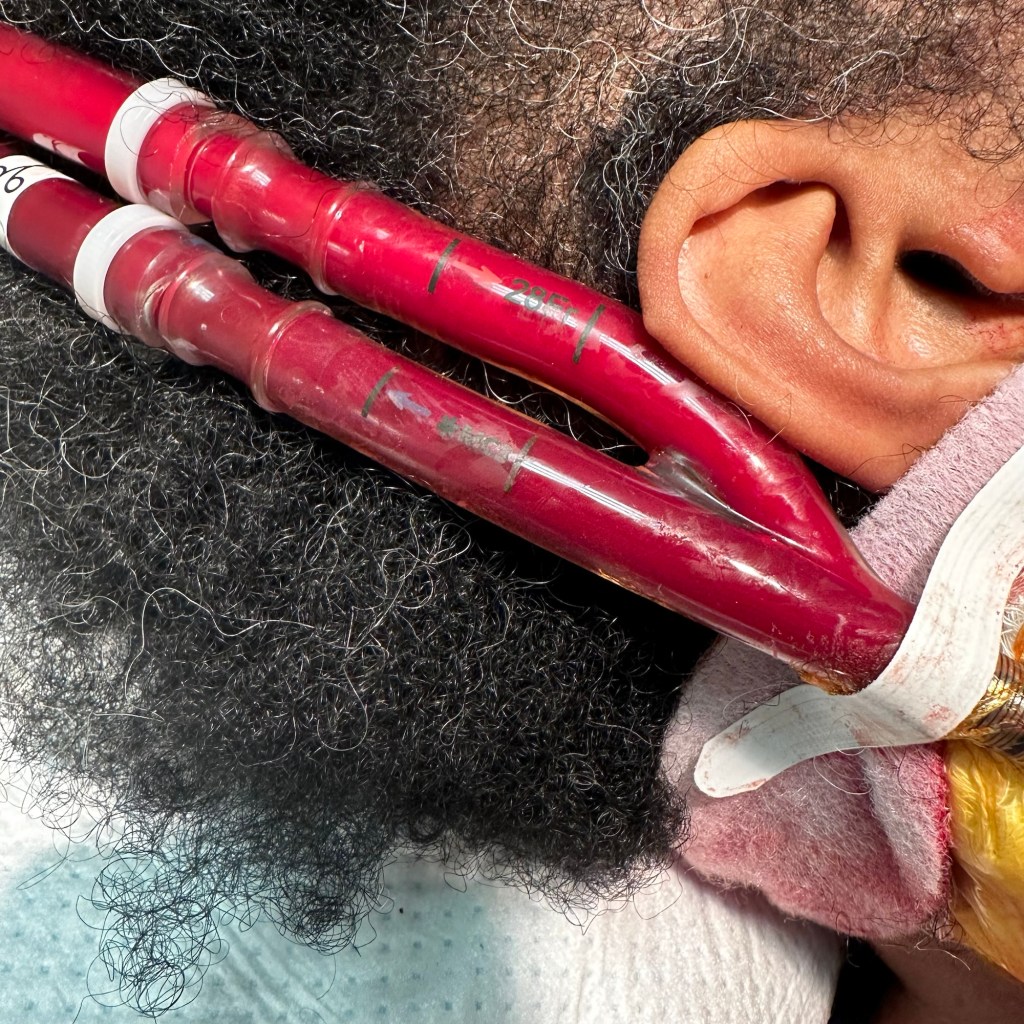
    PVC Tubing: Common in ECMO circuits, but prone to cracking or stiffening if exposed to alcohol-based CHG. Damage may not be immediate but can compromise tubing flexibility and integrity over time. Best practice: keep alcohol-based prep away from tubing or wipe it off immediately if contact occurs. Polyurethane Cannulas: Strong yet chemically sensitive. Alcohol or iodine-based antiseptics can lead to degradation and cracking. While CHG is generally safe, avoid soaking cannulas or allowing solutions to pool beneath dressings. CHG-impregnated dressings are widely used and considered low risk when applied properly. Silicone Components: The most chemically resistant material in ECMO circuits. Brief exposure to CHG or alcohol is typically safe, though extended contact should still be avoided.

    Clinical Takeaways

    Use aqueous chlorhexidine (without alcohol) when prepping near ECMO tubing if available. Allow alcohol-based CHG to fully dry before cannula insertion or dressing application. Protect the tubing during prep and dressing changes to prevent prolonged contact with antiseptics. Inspect circuits regularly for clouding, cracks, or changes in flexibility — especially around cannula hubs or connector sites.

    Bottom Line

    Chlorhexidine is a powerful tool for infection prevention, but its alcohol-containing formulations can damage ECMO circuit components — particularly PVC and polyurethane. By following careful handling practices and understanding material sensitivities, your team can safely balance infection control with circuit integrity.

  • Family guide to ECMO … A brief Sample


    ECMO (Extracorporeal Membrane Oxygenation) is a special machine that helps the heart and lungs when they’re too sick to work on their own. Think of it like a superhero stepping in to do the heart and lungs’ job for a little while. Here’s what you need to know, explained in simple terms:


    1. What is ECMO?

    • What does it do?
      ECMO pumps blood out of the body, adds oxygen to it (like lungs do), and removes carbon dioxide (the “bad air” we breathe out). Then it sends the blood back into the body.
    • Two Types:
    • VA ECMO: Helps both the heart and lungs.
    • VV ECMO: Helps just the lungs.

    2. How ECMO Affects the Blood

    Blood Cells Can Get Hurt

    • Red Blood Cells: These carry oxygen. The ECMO machine can accidentally damage them, causing anemia (too few red blood cells). Doctors might give a blood transfusion to fix this.
    • Platelets: These tiny cells help stop bleeding. ECMO can lower their numbers, making it easier to bleed or bruise.

    Blood Clots vs. Bleeding

    • Blood Thinners (Medicine): To stop clots from forming in the machine, patients get medicine like heparin.
    • Risks:
    • Clots can still form and block blood flow (like a traffic jam in the body).
    • Bleeding can happen, especially where tubes are placed or inside the body.

    The Body’s “Alarm System” (Inflammation)

    • What Happens? When blood touches the ECMO machine, the body thinks there’s danger and sounds an alarm. This can cause swelling, fever, or tired organs.
    • Germs (Infection): The longer someone is on ECMO, the easier it is for germs to cause infections. Doctors watch closely for this.

    3. What Happens While on ECMO?

    Common Problems

    • Kidneys: Damaged blood cells or clots can hurt the kidneys. If kidneys stop working or don’t work well enough, dialysis (a machine that cleans blood) might be needed.
    • Minerals in the Blood: Calcium and potassium levels can get too high or low. Doctors fix this with medicine or special fluids.
    • Temperature: The machine can warm or cool the blood. Sometimes cooling helps protect the brain.

    Doctors Do Blood Tests Every Day

    • Blood Oxygen Levels
    • Red blood cells and platelets.
    • Blood clotting time.
    • Minerals (like calcium and potassium).
    • Signs of infection.

    4. How You Can Help Your Loved One

    Questions to Ask the Doctors/Nurses

    • How long will they need ECMO?
    • What are signs of bleeding or infection? (Example: New bruises, fever, or red skin near tubes.)
    • Will they need blood transfusions or dialysis?
    • How are they kept comfortable? (Sedation or pain medicine?)

    Supporting Your Loved One

    • Stay Calm: Even if they’re asleep, they might hear you. Talk softly, hold their hand, or play their favorite music.
    • Watch for Changes: Tell the nurses if you see something new, like confusion, swelling, or bleeding.
    • Take Care of YOU: Rest, eat, and ask for help from hospital social workers or counselors.

    5. Possible Problems with ECMO

    • Bleeding: The most common issue. This could be a nosebleed, blood in urine, or bleeding where the tubes go in.
    • Clots: These can block blood flow to the brain, lungs, or the machine itself.
    • Organ Damage: Kidneys, liver, or brain might need extra help.
    • Infection: Germs can enter through the tubes. Doctors use antibiotics to fight this.

    6. Simple Words to Know

    • Cannulas: The tubes that connect the body to the ECMO machine.
    • Anemia: Not enough red blood cells (causes tiredness or pale skin).
    • Blood Thinners: Medicine that stops clots from forming.
    • Inflammation: The body’s “alarm system” causing swelling or fever.

    7. When ECMO is Turned Off

    • Getting Better: If the heart or lungs heal, doctors slowly turn down the ECMO machine to see if the body can take over.
    • Next Steps: If organs don’t recover, other options (like a transplant) may be discussed.

    Final Tips for Families

    • ECMO is a temporary helper—it buys time for the body to heal or for doctors to plan the next step.
    • Every patient is different. Some get better quickly; others need more time.
    • Trust the doctors and nurses—they’re experts at balancing risks and benefits.

    You’re Not Alone!
    Ask questions, take notes, and lean on the care team. Your love and support matter more than anything!


    🌈 Remember: ECMO is complicated, but you don’t have to understand everything. Focus on being there for your loved one!

  • The ECMO candidate

    ECMO (Extracorporeal Membrane Oxygenation) is a life-support technique used for patients with severe cardiac or respiratory failure who are unresponsive to conventional treatments. The criteria for initiating ECMO can vary depending on the specific clinical scenario, institution, and guidelines, but generally include the following:

    Respiratory Failure (Veno-Venous ECMO – VV-ECMO):

    Severe Hypoxemia:

      • PaO₂/FiO₂ ratio < 80 mmHg despite optimal mechanical ventilation (e.g., high PEEP, FiO₂ > 90%).
      • Oxygenation index (OI) > 40 (OI = [FiO₂ × Mean Airway Pressure × 100] / PaO₂).

      Hypercapnia with Acidosis:

        • pH < 7.20 with PaCO₂ > 60 mmHg despite optimal mechanical ventilation.

        Refractory Respiratory Failure:

          • Failure to maintain adequate oxygenation or ventilation despite maximal conventional therapy.
          • Conditions such as ARDS (Acute Respiratory Distress Syndrome), pneumonia, or trauma.

          Imminent Risk of Barotrauma:

            • High ventilator pressures (e.g., plateau pressure > 30 cm H₂O) with risk of lung injury.

            Bridge to Recovery or Transplant:

              • Patients with potentially reversible lung disease or those awaiting lung transplantation.

              Cardiac Failure (Veno-Arterial ECMO – VA-ECMO):

              Cardiogenic Shock:

                • Refractory to inotropes, vasopressors, and intra-aortic balloon pump (IABP) or other mechanical support.
                • Systolic blood pressure < 90 mmHg or cardiac index < 1.8 L/min/m² despite maximal support.

                Cardiac Arrest (ECPR – ECMO for CPR):

                  • During or after cardiac arrest with unsuccessful conventional CPR.
                  • Ideally initiated within 60 minutes of arrest.
                  1. Acute Decompensated Heart Failure:
                  • Severe heart failure with end-organ dysfunction (e.g., renal or hepatic failure).

                  Post-Cardiotomy Shock:

                    • Inability to wean from cardiopulmonary bypass after cardiac surgery.

                    Bridge to Recovery, Transplant, or LVAD:

                      • Patients with potentially reversible cardiac injury or those awaiting heart transplantation or LVAD (Left Ventricular Assist Device).

                      General Considerations:

                      Reversibility:

                        • The underlying condition should be potentially reversible or the patient should be a candidate for transplant or long-term mechanical support.

                        Age and Comorbidities:

                          • Younger patients with fewer comorbidities are generally preferred candidates.
                          • Advanced age or severe comorbidities may be relative contraindications.

                          No Contraindications:

                            • Absence of irreversible brain injury, advanced malignancy, or other conditions that would preclude recovery or transplantation.

                            Timing:

                              • Early initiation of ECMO before multi-organ failure develops is associated with better outcomes.

                              Contraindications (Relative):

                              Irreversible Conditions:

                                • Severe brain injury, terminal malignancy, or other irreversible conditions.

                                Advanced Age:

                                  • Age > 70-75 years (varies by institution).

                                  Prolonged CPR:

                                    • CPR duration > 60 minutes without adequate perfusion.

                                    Severe Coagulopathy or Bleeding:

                                      • Uncontrolled bleeding or high risk of hemorrhage.

                                      Severe Multi-Organ Failure:

                                        • Advanced liver or renal failure with poor prognosis.

                                        Monitoring and Weaning:

                                        • Patients on ECMO require continuous monitoring of hemodynamics, oxygenation, and organ function.
                                        • Weaning is considered when the underlying condition improves, and the patient can sustain adequate oxygenation and circulation without ECMO support.

                                        These criteria are general guidelines and should be tailored to individual patient circumstances and institutional protocols.

                                      1. ECMO and the KPI

                                        Key Performance Indicators (KPIs) in the setting of Extracorporeal Membrane Oxygenation (ECMO) are metrics used to evaluate the effectiveness, safety, and quality of ECMO therapy. ECMO is a complex and resource-intensive life support technique used for patients with severe cardiac or respiratory failure. KPIs help healthcare providers monitor and improve outcomes, ensure patient safety, and optimize resource utilization. Below are some key KPIs relevant to ECMO:


                                        1. Patient Outcomes

                                        • Survival Rates:
                                        • Survival to ECMO decannulation (successful weaning off ECMO).
                                        • Survival to hospital discharge.
                                        • Long-term survival (e.g., 6-month or 1-year survival).
                                        • Mortality Rates:
                                        • In-hospital mortality.
                                        • ECMO-related mortality.
                                        • Complication Rates:
                                        • Incidence of complications such as bleeding, thrombosis, infection, or neurological events.

                                        2. ECMO-Specific Metrics

                                        • ECMO Run Duration:
                                        • Average duration of ECMO support.
                                        • Duration stratified by indication (e.g., respiratory vs. cardiac ECMO).
                                        • Cannulation Success:
                                        • Percentage of successful cannulations without complications.
                                        • Weaning Success:
                                        • Percentage of patients successfully weaned off ECMO.
                                        • Bridge to Recovery or Transplant:
                                        • Percentage of patients bridged to recovery, transplant, or another therapy.

                                        3. Safety and Complications

                                        • Bleeding Events:
                                        • Incidence of major bleeding (e.g., intracranial hemorrhage, surgical site bleeding).
                                        • Thrombotic Events:
                                        • Incidence of circuit thrombosis or oxygenator failure.
                                        • Infections:
                                        • Rate of bloodstream infections or ECMO-related infections.
                                        • Mechanical Complications:
                                        • Pump or oxygenator failures, cannula dislodgement, or other technical issues.

                                        4. Process and Efficiency Metrics

                                        • Time to ECMO Initiation:
                                        • Time from decision to initiate ECMO to actual cannulation and support.
                                        • Adherence to Protocols:
                                        • Compliance with institutional ECMO guidelines and best practices.
                                        • Resource Utilization:
                                        • Cost per ECMO run, including equipment, staffing, and ICU stay.
                                        • ECMO Team Response Time:
                                        • Time taken for the ECMO team to mobilize and initiate support.

                                        5. Quality of Care

                                        • Patient Selection:
                                        • Appropriateness of ECMO candidacy based on established criteria.
                                        • Multidisciplinary Team Involvement:
                                        • Engagement of a multidisciplinary team (e.g., intensivists, surgeons, perfusionists, nurses).
                                        • Patient and Family Satisfaction:
                                        • Feedback from patients and families regarding their experience with ECMO care.

                                        6. Benchmarking and Comparative Metrics

                                        • Comparison to ELSO (Extracorporeal Life Support Organization) Standards:
                                        • Benchmarking outcomes against ELSO registry data.
                                        • Center-Specific Outcomes:
                                        • Tracking outcomes over time to identify trends and areas for improvement.

                                        7. Training and Education

                                        • Staff Competency:
                                        • Regular training and simulation for ECMO team members.
                                        • Certification Rates:
                                        • Percentage of team members with ECMO-specific certifications.

                                        8. Research and Innovation

                                        • Participation in ECMO Research:
                                        • Enrollment in clinical trials or registry studies.
                                        • Adoption of New Technologies:
                                        • Implementation of advanced ECMO technologies or techniques.

                                        Importance of KPIs in ECMO

                                        • Improving Patient Outcomes: By tracking KPIs, centers can identify areas for improvement and implement targeted interventions.
                                        • Ensuring Safety: Monitoring complications and adherence to protocols helps minimize risks associated with ECMO.
                                        • Resource Optimization: Efficient use of resources ensures sustainability and cost-effectiveness.
                                        • Benchmarking: Comparing outcomes to national or international standards helps maintain high-quality care.

                                        Challenges in ECMO KPI Measurement

                                        • Data Collection: ECMO involves complex patient populations, making data collection and standardization challenging.
                                        • Risk Adjustment: Outcomes must be adjusted for patient severity and comorbidities to ensure fair comparisons.
                                        • Interdisciplinary Coordination: ECMO care requires collaboration across multiple specialties, which can complicate performance tracking.

                                        By focusing on these KPIs, ECMO programs can strive for continuous improvement, ensuring the best possible outcomes for patients requiring this advanced life support therapy.

                                      2. End-of-Life care

                                        End-of-life care (EOLC) for patients on extracorporeal membrane oxygenation (ECMO) is a complex and sensitive issue. ECMO is often used as a life-sustaining therapy for patients with severe cardiac or respiratory failure, but it is not always successful. When it becomes clear that recovery is unlikely or the burden of treatment outweighs the benefits, transitioning to end-of-life care may be the most compassionate approach. Here are key considerations for managing end-of-life care on ECMO:


                                        1. Recognizing the Need for End-of-Life Care

                                        • Poor Prognosis: When the patient’s condition is irreversible despite maximal support (e.g., no improvement in organ function, irreversible brain injury, or multiorgan failure).
                                        • Patient Wishes: If the patient has expressed a desire to avoid prolonged life support (e.g., through an advance directive or living will).
                                        • Futility: When further treatment is deemed medically futile or disproportionately burdensome.

                                        2. Ethical and Legal Considerations

                                        • Shared Decision-Making: Engage the patient (if conscious and able) or their surrogate decision-makers (e.g., family members) in discussions about goals of care.
                                        • Informed Consent: Ensure that the family understands the prognosis, risks, and benefits of continuing or withdrawing ECMO.
                                        • Ethical Principles: Balance the principles of beneficence (doing good) and non-maleficence (avoiding harm) with respect for patient autonomy.

                                        3. Withdrawal of ECMO

                                        • Process: ECMO withdrawal is a planned process that involves stopping the pump and disconnecting the circuit. This is typically done in a controlled manner to ensure patient comfort.
                                        • Timing: The timing should be discussed with the family and care team to ensure everyone is prepared.
                                        • Location: ECMO withdrawal can occur in the ICU or another setting where the patient and family feel comfortable.

                                        4. Symptom Management

                                        • Pain and Anxiety: Administer medications such as opioids (e.g., morphine) and benzodiazepines (e.g., midazolam) to alleviate pain, dyspnea, and anxiety.
                                        • Sedation: Ensure the patient is comfortable and not distressed during the process.
                                        • Family Presence: Allow family members to be present and provide emotional support.

                                        5. Communication and Support

                                        • Honest and Compassionate Communication: Clearly explain the process of ECMO withdrawal and what to expect.
                                        • Psychosocial Support: Offer counseling and support to the family, who may be experiencing grief, guilt, or confusion.
                                        • Spiritual Care: Provide access to chaplaincy or spiritual support if desired.

                                        6. Palliative Care Involvement

                                        • Early Integration: Involve palliative care specialists early in the course of ECMO to help with symptom management, decision-making, and emotional support.
                                        • Goals of Care Discussions: Facilitate discussions about the patient’s values, preferences, and goals of care.

                                        7. Bereavement Support

                                        • Follow-Up: Offer bereavement support to the family after the patient’s death.
                                        • Debriefing: Provide an opportunity for the care team to debrief and process the emotional impact of the case.

                                        8. Documentation

                                        • Clear Documentation: Document all discussions, decisions, and the rationale for transitioning to end-of-life care.
                                        • Legal Compliance: Ensure compliance with institutional policies and legal requirements.

                                        Challenges in End-of-Life Care on ECMO

                                        • Emotional Burden: Families and care teams may struggle with the decision to withdraw ECMO, as it is often seen as a “last resort” therapy.
                                        • Uncertain Prognosis: Predicting outcomes on ECMO can be difficult, making decisions about futility challenging.
                                        • Logistical Complexity: Withdrawing ECMO requires coordination among multiple team members, including intensivists, perfusionists, and palliative care specialists.

                                        Conclusion

                                        End-of-life care on ECMO requires a multidisciplinary approach that prioritizes patient comfort, family support, and ethical decision-making. While ECMO can be life-saving, it is essential to recognize when continuing treatment may no longer align with the patient’s goals or best interests. Compassionate communication and palliative care integration are critical to ensuring a dignified and peaceful transition for the patient and their loved ones.

                                      3. Types of oxygenators

                                        The terms PMP (Polymethylpentene) and PP (Polypropylene) refer to materials used in oxygenation membranes, particularly in medical devices like extracorporeal membrane oxygenation (ECMO) or oxygenators. These membranes are critical for gas exchange (oxygenation and carbon dioxide removal) in blood during procedures like ECMO, cardiopulmonary bypass, or other respiratory support systems.

                                        Here’s a comparison of PMP vs PP oxygenation membranes:


                                        1. Material Properties

                                        • PMP (Polymethylpentene):
                                        • Gas Permeability: PMP has excellent gas exchange properties, making it highly efficient for oxygen and CO₂ transfer.
                                        • Hydrophobicity: PMP is hydrophobic, which reduces plasma leakage and improves durability during prolonged use.
                                        • Biocompatibility: PMP is highly biocompatible, reducing the risk of blood cell damage or clotting.
                                        • Durability: PMP membranes are more durable and resistant to degradation over time compared to PP.
                                        • PP (Polypropylene):
                                        • Gas Permeability: PP has good gas exchange properties but is generally less efficient than PMP.
                                        • Hydrophobicity: PP is also hydrophobic, but it may be more prone to plasma leakage over time compared to PMP.
                                        • Biocompatibility: PP is biocompatible but may cause slightly more blood cell damage or clotting compared to PMP.
                                        • Durability: PP membranes are less durable and may degrade faster, especially during prolonged use.

                                        2. Performance in Oxygenators

                                        • PMP:
                                        • PMP membranes are considered superior for long-term ECMO or respiratory support due to their higher efficiency and durability.
                                        • They are less likely to fail or require replacement during extended use.
                                        • PMP membranes are often used in modern ECMO systems for their reliability and performance.
                                        • PP:
                                        • PP membranes are more commonly used in short-term applications, such as cardiopulmonary bypass during surgery.
                                        • They are less expensive but may not be suitable for long-term use due to potential plasma leakage and reduced efficiency over time.

                                        3. Cost

                                        • PMP: Generally more expensive due to its superior performance and durability.
                                        • PP: More cost-effective, making it a common choice for short-term applications.

                                        4. Clinical Applications

                                        • PMP:
                                        • Preferred for long-term ECMO support.
                                        • Used in critical care settings where prolonged oxygenation is required.
                                        • PP:
                                        • Commonly used in short-term procedures like cardiopulmonary bypass.
                                        • Less suitable for long-term use due to potential performance degradation.

                                        5. Advantages and Disadvantages

                                        • PMP Advantages:
                                        • Higher gas exchange efficiency.
                                        • Better durability and resistance to plasma leakage.
                                        • Ideal for long-term use.
                                        • PMP Disadvantages:
                                        • Higher cost.
                                        • PP Advantages:
                                        • Lower cost.
                                        • Suitable for short-term applications.
                                        • PP Disadvantages:
                                        • Less efficient for long-term use.
                                        • More prone to plasma leakage and degradation.

                                        Summary

                                        • PMP membranes are the preferred choice for long-term oxygenation support (e.g., ECMO) due to their superior gas exchange efficiency, durability, and biocompatibility.
                                        • PP membranes are more cost-effective and suitable for short-term applications, such as cardiopulmonary bypass during surgery.

                                        The choice between PMP and PP depends on the clinical context, duration of use, and budget considerations.

                                      4. Hemolysis on Ecmo

                                        ECMO and Hemolysis: Pathophysiology, Risk Factors, and Management

                                        Extracorporeal Membrane Oxygenation (ECMO) is a life-saving intervention that provides cardiac and/or respiratory support. However, one of its significant complications is hemolysis, which occurs due to mechanical trauma to red blood cells (RBCs) as they circulate through the ECMO circuit. Hemolysis can lead to organ dysfunction, coagulopathy, and increased mortality.

                                        Pathophysiology of Hemolysis on ECMO

                                        Hemolysis in ECMO patients occurs primarily due to mechanical shear stress and turbulence in the circuit, leading to RBC fragmentation and the release of free hemoglobin (fHb) into the plasma. The free hemoglobin can contribute to:

                                        • Acute Kidney Injury (AKI) – Free hemoglobin is nephrotoxic, leading to tubular damage.

                                        • Hyperbilirubinemia and Jaundice – Excess hemoglobin breakdown increases indirect bilirubin.

                                        • Thrombosis and Coagulopathy – Free hemoglobin scavenges nitric oxide, increasing platelet aggregation and clot formation.

                                        • Hemoglobinuria – Dark urine due to excessive RBC destruction.

                                        Risk Factors for Hemolysis on ECMO

                                        1. Pump and Circuit-Related Factors

                                        • Centrifugal Pumps – Operate at 2500-4500 RPM; excessive speeds (>4000 RPM) increase shear stress.

                                        • High Circuit Pressures – Excessive negative pressures in the venous line (< -50 mmHg) or high post-oxygenator pressures (>250 mmHg) increase hemolysis risk.

                                        • Oxygenator Dysfunction – Clot formation within the oxygenator can create areas of turbulence and shear stress.

                                        2. Cannula-Related Factors

                                        • Small Cannula Size – Smaller cannulas (e.g., 17-21 Fr arterial, 21-25 Fr venous) require higher RPMs to maintain flow, increasing shear stress.

                                        • High Blood Flow Rates – VA-ECMO typically runs at 3.5-5.0 L/min, and VV-ECMO at 4.0-6.0 L/min. Higher flow rates can exacerbate hemolysis if the cannula is undersized.

                                        • Cannula Malposition – Improper positioning can cause recirculation, leading to increased shear forces.

                                        3. Clot Formation

                                        • Thrombosis in the ECMO Circuit – Fibrin deposits in the oxygenator or tubing create high-resistance zones, contributing to hemolysis.

                                        • Inadequate Anticoagulation – Low heparin levels can promote clot formation, increasing turbulence.

                                        4. Patient-Specific Factors

                                        • Pre-existing Hemolysis – Conditions like sickle cell disease, mechanical heart valves, or pre-ECMO hemolysis can exacerbate RBC destruction.

                                        • Hyperinflammatory States – Sepsis or shock can increase endothelial dysfunction, worsening hemolysis.

                                        • Low Hematocrit – Anemia increases RBC susceptibility to mechanical damage.

                                        Diagnosis of Hemolysis on ECMO

                                        Laboratory Findings

                                        • Plasma Free Hemoglobin (fHb) > 50 mg/dL – A direct indicator of hemolysis.

                                        • Lactate Dehydrogenase (LDH) > 1000 U/L – Suggests RBC destruction.

                                        • Low Haptoglobin (<25 mg/dL) – Due to hemoglobin binding and clearance.

                                        • Indirect Hyperbilirubinemia – Resulting from RBC breakdown.

                                        • Hemoglobinuria (Dark Urine) – Indicates severe hemolysis

                                        Management of Hemolysis on ECMO

                                        1. Optimize ECMO Circuit Settings

                                        • Reduce RPM if Possible – Lowering pump speed decreases shear stress.

                                        • Optimize Flow Rates – Adjust blood flow to maintain perfusion while minimizing turbulence.

                                        • Monitor and Adjust Negative Pressure – Keep venous pressures above -50 mmHg to prevent excessive suction forces.

                                        2. Evaluate and Adjust Cannulation

                                        • Use the Largest Possible Cannula – Reduces resistance and shear stress.

                                        • Reposition Cannula if Needed – To minimize recirculation and turbulence.

                                        3. Check for Clots and Circuit Dysfunction

                                        • Inspect Oxygenator and Tubing – Look for fibrin deposition or clot formation.

                                        • Consider Circuit Change – If hemolysis is persistent and due to thrombosis.

                                        4. Manage Free Hemoglobin and Organ Dysfunction

                                        • Plasmapheresis or Hemodialysis – If severe hemolysis causes AKI.

                                        • Volume Management – Avoid volume overload to prevent kidney injury.

                                        • Monitor and Treat Hyperbilirubinemia – Support liver function.

                                        5. Consider Alternative Anticoagulation

                                        • Heparin Monitoring (Anti-Xa Goal 0.3-0.7 IU/mL) – Ensures proper anticoagulation.

                                        • Direct Thrombin Inhibitors (e.g., Argatroban, Bivalirudin) – Used if heparin-induced thrombocytopenia (HIT) is suspected.

                                        Hemolysis on ECMO is a serious complication with multiple contributing factors, including high shear stress, circuit thrombosis, and inappropriate cannulation. Early detection through laboratory markers and careful management of ECMO settings can help reduce its impact and improve patient outcomes.

                                      5. Oxygenator Failure

                                        1. Introduction

                                        Extracorporeal Membrane Oxygenation (ECMO) is a life-saving therapy used to support patients with severe cardiac or respiratory failure by temporarily taking over the function of the heart and/or lungs. During ECMO, blood is diverted outside the body and passed through a membrane oxygenator, which acts as an artificial lung, oxygenating the blood and removing carbon dioxide. The oxygenator is a critical component of the ECMO circuit, and its failure can have life-threatening consequences for the patient.

                                        Oxygenator failure occurs when the device can no longer effectively oxygenate the blood or remove CO₂. This can lead to hypoxemia (low blood oxygen) or hypercapnia (high CO₂ levels), putting the patient at risk of organ damage, cardiac arrest, or systemic emboli. Studies report that oxygenator dysfunction requiring replacement occurs in 10–30% of ECMO runs, highlighting the importance of vigilant monitoring and prompt intervention.


                                        2. Causes of Oxygenator Failure

                                        Oxygenator failure can result from several mechanisms, often involving a combination of factors. The primary causes include:

                                        Thrombosis

                                        • Mechanism: Blood contact with foreign surfaces in the ECMO circuit activates the coagulation cascade, leading to clot formation within the oxygenator. Clots obstruct blood flow and reduce gas exchange efficiency.
                                        • Risk Factors: Inadequate anticoagulation, prolonged ECMO duration, hypercoagulable states (e.g., disseminated intravascular coagulation or heparin-induced thrombocytopenia).
                                        • Signs: Rising transmembrane pressure gradient (TMP), visible clots in the oxygenator, elevated D-dimer levels, and hemolysis.

                                        Plasma Leakage

                                        • Mechanism: Plasma seeps through the membrane fibers into the gas side of the oxygenator, often due to membrane degradation or high pressures.
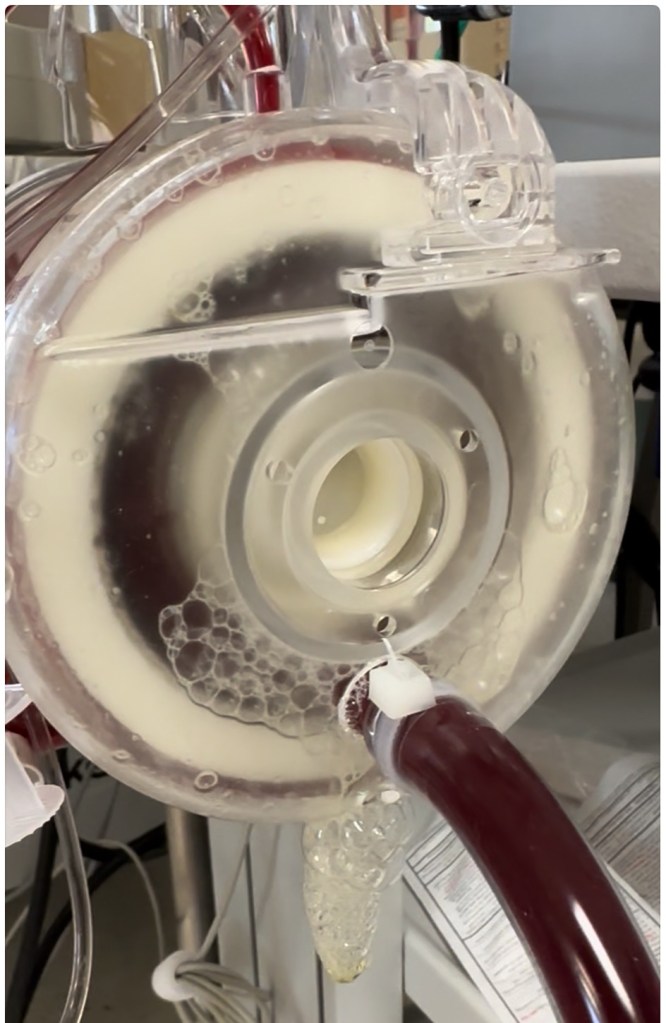
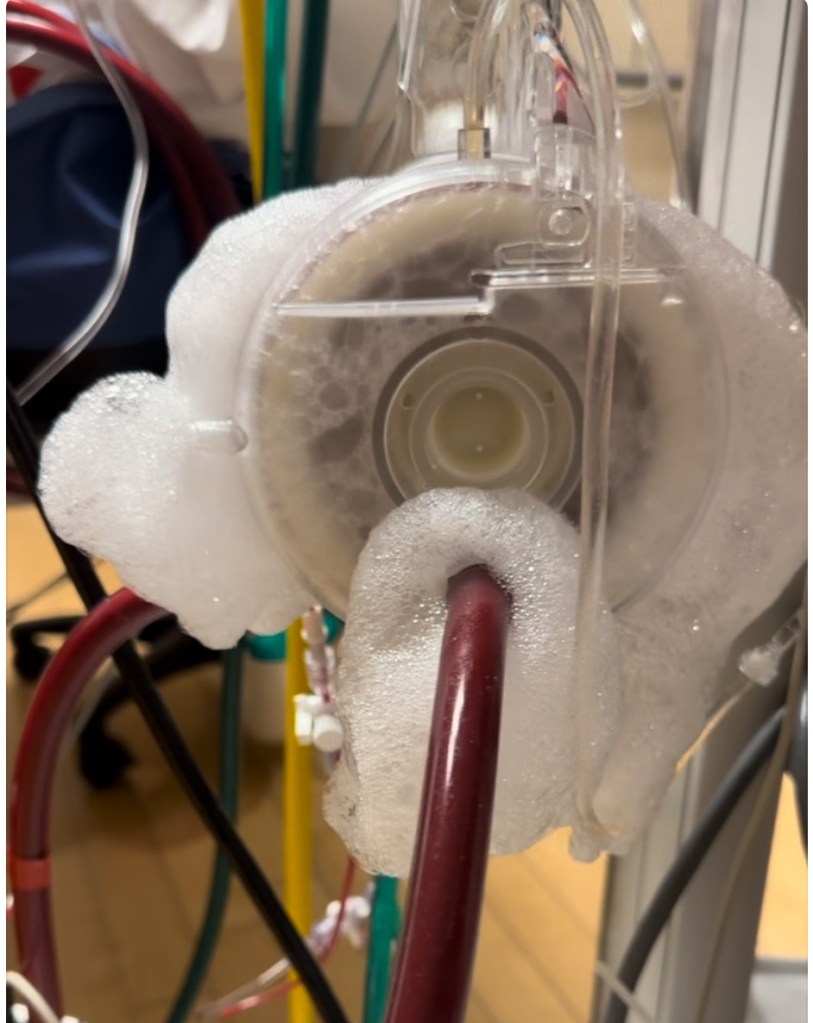
                                        • Signs: Foam or yellowish fluid in the gas exhaust, reduced oxygenation efficiency, and the need for increased sweep gas flow.
                                        • Prevention: Modern oxygenators made of polymethylpentene (PMP) have reduced the incidence of plasma leakage compared to older polypropylene models.

                                        Fiber Fracture

                                        • Mechanism: Physical damage to the hollow fibers in the oxygenator, often due to manufacturing defects, mechanical stress, or improper handling.
                                        • Signs: Blood in the gas exhaust line, sudden loss of gas exchange, or visible cracks in the oxygenator.
                                        • Prevention: Careful handling of the ECMO circuit and avoiding excessive pressures.

                                        Gas Exchange Failure

                                        • Mechanism: Over time, protein deposition, clot formation, and membrane deterioration reduce the oxygenator’s ability to oxygenate blood and remove CO₂.
                                        • Signs: Gradual decline in oxygenation and CO₂ removal, increased need for higher sweep gas flow, and rising PaCO₂ levels.
                                        • Prevention: Regular monitoring of oxygenator performance and timely replacement.

                                        Infection

                                        • Mechanism: Microbial colonization of the oxygenator can lead to biofilm formation, clotting, and systemic infection.
                                        • Signs: Fever, positive blood cultures, and increased clotting in the circuit.
                                        • Prevention: Strict aseptic techniques during circuit setup and maintenance.

                                        Mechanical Damage

                                        • Mechanism: Physical damage to the oxygenator due to improper handling, transport, or manufacturing defects.
                                        • Signs: External blood leakage, sudden loss of circuit pressure, or abnormal noises from the circuit.
                                        • Prevention: Proper handling and secure mounting of the oxygenator.

                                        3. Signs and Symptoms of Oxygenator Failure

                                        Early detection of oxygenator failure is critical. Signs can be categorized into physiological indicators (patient-related) and mechanical/laboratory indicators (circuit-related):

                                        Physiological Indicators

                                        • Decreasing Oxygen Saturation: A drop in arterial oxygen saturation (SpO₂) or venous oxygen saturation (SvO₂).
                                        • Rising PaCO₂: Increasing carbon dioxide levels despite optimal ECMO settings.
                                        • Worsening Oxygenation Gap: A narrowing difference between pre- and post-oxygenator oxygen saturation.

                                        Mechanical and Laboratory Indicators

                                        • Increased Transmembrane Pressure Gradient (TMP): A rising pressure difference across the oxygenator, indicating clot formation or fiber obstruction.
                                        • Visible Clots or Discoloration: Clots, fibrin strands, or plasma leakage in the oxygenator.
                                        • Hemolysis: Elevated plasma-free hemoglobin levels and hemoglobinuria.
                                        • Laboratory Changes: Rising D-dimer levels, falling platelet counts, or abnormal blood gas results.

                                        4. Management of Oxygenator Failure

                                        Management involves immediate replacement of the failing oxygenator and addressing the underlying cause to prevent recurrence.

                                        Immediate Replacement Protocol

                                        1. Prepare a New Oxygenator: Prime and de-air a new oxygenator.
                                        2. Stabilize the Patient: Increase ventilator support and ensure adequate sedation.
                                        3. Anticoagulation: Administer a heparin bolus if not contraindicated.
                                        4. Isolate and Clamp the Circuit: Securely clamp the circuit to prevent air embolism or blood loss.
                                        5. Swap the Oxygenator: Quickly replace the old oxygenator with the new one.
                                        6. Restore Flow: Unclamp the circuit and resume ECMO flow.
                                        7. Post-Exchange Assessment: Monitor the patient’s vital signs and inspect the new oxygenator for leaks or air.

                                        Anticoagulation Optimization

                                        • Ensure therapeutic anticoagulation with heparin or alternatives like bivalirudin or argatroban.
                                        • Monitor coagulation parameters (e.g., ACT, aPTT, anti-Xa levels) regularly.
                                        • Adjust anticoagulation based on patient-specific factors (e.g., bleeding risk, hypercoagulable states).

                                        Advanced Monitoring Techniques

                                        • Continuous Blood Gas Monitoring: Track pre- and post-oxygenator oxygen levels.
                                        • Transmembrane Pressure (TMP) Monitoring: Detect rising pressure gradients indicating clot formation.
                                        • Laboratory Trends: Monitor D-dimer, plasma-free hemoglobin, and platelet counts.

                                        Supportive Measures

                                        • Ventilation Adjustments: Increase ventilator support to compensate for reduced ECMO gas exchange.
                                        • Oxygen Supplementation: Provide 100% oxygen via the ventilator or sweep gas.
                                        • Sedation and Paralysis: Reduce metabolic demand and prevent agitation.
                                        • Hemodynamic Support: Use vasopressors or inotropes to maintain blood pressure.

                                        5. Prevention Strategies

                                        Preventing oxygenator failure involves proactive measures to maintain circuit integrity and optimize patient care:

                                        Routine Performance Monitoring

                                        • Regularly assess oxygenator function, including TMP, blood gases, and visual inspection.
                                        • Use thresholds (e.g., TMP >100 mmHg) to trigger preemptive oxygenator replacement.

                                        Optimized Anticoagulation Management

                                        • Tailor anticoagulation to the patient’s needs, using heparin or alternatives.
                                        • Monitor coagulation parameters frequently and adjust therapy as needed.

                                        Timely Oxygenator Replacement

                                        • Replace the oxygenator before signs of failure become critical, especially after prolonged use.
                                        • Follow institutional protocols for elective oxygenator changes.

                                        Aseptic Techniques

                                        • Maintain strict sterile protocols during circuit setup and maintenance.
                                        • Prevent infection by minimizing circuit interruptions and monitoring for signs of colonization.

                                        6. Conclusion

                                        Oxygenator failure is a serious complication of ECMO that requires prompt recognition and intervention. By understanding the causes, monitoring for early signs, and implementing preventive strategies, healthcare teams can minimize the risk of failure and ensure patient safety. Effective management involves a multidisciplinary approach, combining vigilant monitoring, timely oxygenator replacement, and optimized anticoagulation. With these measures in place, ECMO can continue to provide life-saving support for patients with severe cardiac or respiratory failure.

                                      6. ECMO and oxygen Delivery

                                        Oxygen Delivery on ECMO

                                        Oxygen delivery (DO₂) on ECMO is a critical factor in maintaining adequate tissue perfusion and preventing hypoxia. The efficiency of oxygenation depends on several factors related to circuit dynamics, patient physiology, and ECMO settings.

                                        1. Determinants of Oxygen Delivery (DO₂)

                                        Oxygen delivery on ECMO is influenced by:

                                        1. Cardiac Output (CO) (in VA ECMO) or Native Lung Function (in VV ECMO)

                                        2. Oxygen Content of Blood (CaO₂), which depends on:

                                        • Hemoglobin concentration (Hb)

                                        • Arterial oxygen saturation (SaO₂)

                                        • Partial pressure of oxygen in arterial blood (PaO₂)

                                        3. ECMO Flow Rate

                                        • Higher flow rates provide greater oxygen delivery.

                                        Formula for Oxygen Delivery (DO₂)

                                        Where:

                                        • CaO₂ (Arterial Oxygen Content) = (1.34 × Hb × SaO₂) + (0.003 × PaO₂)

                                        • Cardiac Output (CO) is patient-dependent in VA ECMO but less relevant in VV ECMO, where ECMO flow primarily determines DO₂.

                                        2. Oxygen Delivery in VA vs. VV ECMO

                                        A. VA ECMO (Veno-Arterial)

                                        • DO₂ is dependent on both the ECMO circuit and native cardiac output.

                                        • High ECMO flow can reduce pulmonary blood flow, limiting oxygenation through the lungs.

                                        • North-South Syndrome (Harlequin Syndrome): Occurs when native cardiac output increases but poorly oxygenated blood from the lungs competes with highly oxygenated ECMO flow.

                                        • Oxygen Saturation (SaO₂) Monitoring:

                                        • Right upper extremity (pre-ductal) SaO₂ is the best indicator of cerebral oxygenation.

                                        • Mixed venous oxygen saturation (SvO₂) helps assess systemic perfusion.

                                        B. VV ECMO (Veno-Venous)

                                        • Oxygenation depends almost entirely on ECMO flow and sweep gas settings.

                                        • Higher ECMO flow increases oxygen saturation by replacing native venous blood with highly oxygenated blood.

                                        • Recirculation (oxygenated blood returning to the ECMO circuit instead of systemic circulation) can reduce efficiency.

                                        • Monitoring Oxygenation:

                                        • Post-oxygenator blood gas (PaO₂ should be 150-450 mmHg)

                                        • Pre-oxygenator venous blood gas (SvO₂ should be > 60%)

                                        • Patient’s systemic arterial saturation (SpO₂ target > 88-92%)

                                        3. Factors Affecting Oxygen Delivery

                                        Circuit Factors

                                        1. ECMO Flow Rate – Higher flow improves oxygenation but can reduce native lung contribution (in VA ECMO).

                                        2. Sweep Gas Flow (VV ECMO) – Higher sweep gas flow increases CO₂ removal, indirectly improving oxygenation.

                                        3. Membrane Oxygenator Function – A failing oxygenator reduces oxygen transfer efficiency.

                                        Patient Factors

                                        1. Hemoglobin (Hb) – Low Hb reduces oxygen-carrying capacity. Maintaining Hb ≥ 7-10 g/dL may be necessary in high oxygen demand states.

                                        2. Cardiac Function (VA ECMO) – Poor cardiac function may limit systemic oxygen delivery even if ECMO flow is high.

                                        3. Lung Function (VV ECMO) – Improved native lung function allows for weaning off ECMO support.

                                        4. Optimizing Oxygen Delivery

                                        • Increase ECMO Flow: Enhances oxygenation but may reduce native cardiac contribution (VA ECMO).

                                        • Optimize Hemoglobin Levels: Transfuse PRBCs if needed to maintain adequate CaO₂.

                                        • Adjust Sweep Gas Flow (VV ECMO): Controls CO₂ removal and indirectly impacts oxygenation.

                                        • Optimize Native Lung Function (VV ECMO): Maintain lung recruitment to enhance oxygenation.

                                        • Monitor Recirculation (VV ECMO): Adjust cannula positioning if needed.

                                        Conclusion

                                        Oxygen delivery on ECMO is a balance between circuit settings, patient physiology, and oxygen consumption. In VA ECMO, systemic oxygenation depends on ECMO flow and native cardiac output, while in VV ECMO, ECMO flow and recirculation determine oxygen delivery. Careful monitoring and adjustments are essential to optimize oxygenation and prevent complications.

                                      7. VV ECMO

                                        Venovenous extracorporeal membrane oxygenation (VV ECMO) is a life-support technique used to provide respiratory support to patients with severe respiratory failure. It oxygenates the blood and removes carbon dioxide externally, allowing the lungs to rest and heal. Below are the key configurations and components of VV ECMO:


                                        1. Cannulation Configurations

                                        Cannulation refers to how the tubes (cannulas) are placed to access the patient’s blood vessels. Common VV ECMO configurations include:

                                        • Femoral-Jugular Configuration:
                                        • Drainage Cannula: Placed in the femoral vein (large vein in the groin) to deoxygenated blood from the body.
                                        • Return Cannula: Placed in the internal jugular vein (neck) to return oxygenated blood to the right atrium.
                                        • Advantages: Good for larger patients or when high flow rates are needed.
                                        • Disadvantages: Risk of recirculation (oxygenated blood being pulled back into the ECMO circuit).
                                        • Dual-Lumen Cannula (Avalon or Crescent Cannula):
                                        • A single cannula placed in the internal jugular vein with two lumens: one for drainage and one for return.
                                        • Advantages: Reduced recirculation, easier patient mobility, and fewer access sites.
                                        • Disadvantages: Technically challenging to place, risk of malposition, and limited flow rates.
                                        • Femoral-Femoral Configuration:
                                        • Both drainage and return cannulas are placed in the femoral veins.
                                        • Advantages: Simpler cannulation.
                                        • Disadvantages: High risk of recirculation and limited oxygenation efficiency.

                                        2. ECMO Circuit Components

                                        The ECMO circuit consists of several key components:

                                        • Cannulas: Tubes inserted into the veins to access blood.
                                        • Pump: Provides continuous blood flow through the circuit (usually a centrifugal pump).
                                        • Oxygenator: Acts as an artificial lung, oxygenating the blood and removing carbon dioxide.
                                        • Heater-Cooler Unit: Maintains blood temperature.
                                        • Tubing: Connects all components and carries blood.
                                        • Monitoring Systems: Track flow rates, pressures, and oxygen levels.

                                        3. Blood Flow and Recirculation

                                        • Flow Rates: Typically range from 2 to 6 liters per minute, depending on patient size and needs.
                                        • Recirculation: Occurs when oxygenated blood from the return cannula is drawn back into the drainage cannula, reducing efficiency. Proper cannula placement and configuration minimize this.

                                        4. Indications for VV ECMO

                                        • Severe acute respiratory distress syndrome (ARDS).
                                        • Refractory hypoxemia (low oxygen levels despite maximal ventilator support).
                                        • Bridge to lung transplantation.
                                        • Severe respiratory failure due to pneumonia, trauma, or other causes.

                                        5. Advantages of VV ECMO

                                        • Provides full respiratory support.
                                        • Allows lung-protective ventilation strategies.
                                        • Reduces ventilator-induced lung injury.

                                        6. Challenges and Risks

                                        • Complications: Bleeding, infection, clotting, and cannula-related issues.
                                        • Recirculation: Reduces oxygenation efficiency.
                                        • Hemodynamic Instability: Requires careful monitoring.
                                        • Resource-Intensive: Requires a specialized team and equipment.

                                        7. Monitoring and Management

                                        • Regular blood gas analysis to assess oxygenation and carbon dioxide removal.
                                        • Monitoring of circuit pressures and flow rates.
                                        • Anticoagulation management to prevent clotting in the circuit.

                                        VV ECMO is a complex but life-saving therapy for patients with severe respiratory failure. Proper configuration, monitoring, and management are critical for successful outcomes.

                                      8. PERT and Ecmo

                                        The Pulmonary Embolism Response Team (PERT) is a multidisciplinary team of medical specialists dedicated to the rapid assessment, diagnosis, and treatment of patients with acute pulmonary embolism (PE). PE is a potentially life-threatening condition where a blood clot blocks one or more arteries in the lungs, leading to symptoms like shortness of breath, chest pain, and, in severe cases, cardiac arrest.


                                        Purpose of PERT

                                        The primary goal of a PERT is to provide timely, coordinated, and expert care to patients with PE, particularly those with high-risk or intermediate-high-risk PE. The team evaluates the severity of the embolism and decides on the most appropriate treatment strategy, which can range from anticoagulation to advanced interventions.


                                        Who is on the PERT?

                                        The team typically includes specialists from various fields, such as:

                                        1. Cardiology: For heart-related complications.
                                        2. Pulmonology: For lung function and respiratory support.
                                        3. Hematology: For blood clotting disorders and anticoagulation management.
                                        4. Critical Care Medicine: For patients requiring intensive care.
                                        5. Interventional Radiology: For catheter-based procedures (e.g., thrombectomy).
                                        6. Cardiothoracic Surgery: For surgical embolectomy if needed.
                                        7. Emergency Medicine: For initial stabilization and triage.
                                        8. Pharmacology: For anticoagulation and thrombolytic therapy.

                                        When is PERT Activated?

                                        PERT is typically activated for patients with:

                                        • High-risk (massive) PE: Signs of hemodynamic instability (e.g., low blood pressure, shock).
                                        • Intermediate-high-risk PE: Evidence of right heart strain or elevated biomarkers (e.g., troponin, BNP) without hemodynamic instability.
                                        • Complex cases: Patients with comorbidities, contraindications to standard therapies, or unclear treatment pathways.

                                        Treatment Options Managed by PERT

                                        The PERT evaluates the patient and tailors treatment based on the severity of the PE and the patient’s overall condition. Options include:

                                        1. Anticoagulation: Blood thinners (e.g., heparin, direct oral anticoagulants) to prevent further clot formation.
                                        2. Thrombolysis: Clot-busting drugs (e.g., alteplase) to dissolve the clot.
                                        3. Catheter-Directed Interventions:
                                        • Thrombectomy: Mechanical removal of the clot.
                                        • Thrombolysis: Localized delivery of clot-busting drugs.
                                        1. Surgical Embolectomy: Surgical removal of the clot in severe cases.
                                        2. ECMO (Extracorporeal Membrane Oxygenation): Temporary heart and lung support for patients in cardiogenic shock or refractory hypoxia.

                                        Benefits of PERT

                                        • Rapid decision-making: Streamlines the evaluation and treatment process.
                                        • Multidisciplinary expertise: Combines the knowledge of various specialists to optimize care.
                                        • Improved outcomes: Studies have shown that PERT activation is associated with lower mortality rates and better patient outcomes.
                                        • Tailored treatment: Ensures that each patient receives the most appropriate therapy based on their specific condition.

                                        PERT in Action

                                        1. Initial Assessment: The team reviews imaging (e.g., CT pulmonary angiogram), echocardiogram, and biomarkers to assess the severity of the PE.
                                        2. Risk Stratification: Determines whether the patient is at low, intermediate, or high risk.
                                        3. Treatment Plan: Decides on the best course of action, which may involve a combination of therapies.
                                        4. Follow-Up: Monitors the patient’s progress and adjusts treatment as needed.

                                        Outcomes

                                        • PERT has been shown to reduce mortality and improve outcomes in patients with acute PE, particularly in high-risk cases.
                                        • It also helps standardize care and ensures that patients receive evidence-based treatments.

                                        Pulmonary Embolism (PE) and ECMO (Extracorporeal Membrane Oxygenation) are closely linked in the management of severe, life-threatening cases of PE.

                                        How is ECMO used in patients with pulmonary embolism?


                                        Pulmonary Embolism (PE)

                                        • Definition: PE occurs when a blood clot (usually from the deep veins of the legs, known as deep vein thrombosis or DVT) travels to the lungs and blocks one or more pulmonary arteries.
                                        • Symptoms: Shortness of breath, chest pain, cough, rapid heart rate, and, in severe cases, hemodynamic instability (low blood pressure, shock) or cardiac arrest.
                                        • Severity:
                                        • Low-risk PE: Stable patients with no signs of right heart strain.
                                        • Intermediate-risk PE: Evidence of right heart strain (e.g., on echocardiogram or elevated biomarkers) but no hemodynamic instability.
                                        • High-risk (massive) PE: Hemodynamic instability (e.g., shock, low blood pressure) or cardiac arrest.

                                        ECMO (Extracorporeal Membrane Oxygenation)

                                        • Definition: ECMO is a form of advanced life support that temporarily takes over the function of the heart and/or lungs when they are severely failing.
                                        • Types:
                                        1. Venovenous (VV) ECMO: Provides respiratory support by oxygenating the blood and removing carbon dioxide. Used for severe respiratory failure.
                                        2. Venoarterial (VA) ECMO: Provides both cardiac and respiratory support. Used for heart failure or cardiogenic shock.
                                        • How it works: Blood is pumped out of the body, oxygenated by a machine, and then returned to the body.

                                        Use of ECMO in Pulmonary Embolism

                                        ECMO is typically considered in high-risk (massive) PE when the patient is in cardiogenic shock or refractory hypoxia (low oxygen levels despite maximal support). It serves as a bridge to recovery or a bridge to definitive treatment.

                                        Indications for ECMO in PE

                                        1. Cardiogenic shock: When the heart cannot pump effectively due to the clot.
                                        2. Refractory hypoxia: When the lungs cannot oxygenate the blood despite mechanical ventilation and other support.
                                        3. Cardiac arrest: ECMO can be used during resuscitation (ECPR, or extracorporeal cardiopulmonary resuscitation) in cases of PE-related cardiac arrest.
                                        4. Bridge to definitive treatment: ECMO stabilizes the patient while preparing for interventions like thrombolysis, thrombectomy, or surgical embolectomy.

                                        How ECMO Helps in PE

                                        1. Stabilizes hemodynamics: VA-ECMO supports the heart and lungs, maintaining blood pressure and oxygenation.
                                        2. Buys time: Allows the medical team to evaluate and perform definitive treatments (e.g., thrombolysis, thrombectomy).
                                        3. Reduces right heart strain: By oxygenating the blood and reducing the workload on the heart, ECMO can help the right ventricle recover.

                                        Definitive Treatments for PE While on ECMO

                                        Once the patient is stabilized on ECMO, the following treatments may be pursued:

                                        1. Systemic thrombolysis: Clot-busting drugs (e.g., alteplase) to dissolve the clot.
                                        2. Catheter-directed thrombolysis or thrombectomy: Minimally invasive procedures to remove or dissolve the clot.
                                        3. Surgical embolectomy: Open surgery to remove the clot (rare but may be necessary in severe cases).

                                        Outcomes of ECMO in PE

                                        • ECMO has been shown to improve survival in patients with massive PE and cardiogenic shock or cardiac arrest.
                                        • However, ECMO is a high-risk intervention and requires careful patient selection, as complications can include bleeding, infection, and vascular injury.

                                        When is ECMO Not Suitable?

                                        ECMO may not be appropriate for patients with:

                                        • Irreversible brain injury.
                                        • Advanced terminal illness.
                                        • Severe comorbidities that limit survival or quality of life.

                                        Key Points

                                        • ECMO is a rescue therapy for severe PE when other treatments fail or are contraindicated.
                                        • It is most effective when used as part of a multidisciplinary approach, often involving a Pulmonary Embolism Response Team (PERT).
                                        • Early recognition of PE and timely initiation of ECMO can save lives in critical cases.

                                      9. ECMO CPT Codes and Usage Overview

                                        Extracorporeal Membrane Oxygenation (ECMO) is a critical life support system, and its billing involves specific CPT codes, this is a general guide;

                                        1. ECMO Initiation

                                        • 33946: Venoarterial (VA) ECMO initiation, including cannulation, membrane oxygenation, and initial management.
                                        • 33947: Venovenous (VV) ECMO initiation, similar inclusions as above but for VV support.
                                          Note: These codes encompass surgical cannulation, circuit setup, and initial monitoring.

                                        2. Daily Management

                                        • 33948: Daily management of VA ECMO (24-hour period).
                                        • 33949: Daily management of VV ECMO (24-hour period).
                                          Usage: Billed once per day for ongoing monitoring, adjustments, and care. Concurrent critical care codes (e.g., 99291) may apply if separately documented.

                                        3. ECMO Discontinuation

                                        • 33951: Discontinuation of ECMO, including decannulation and final assessments. Applies to all ECMO types and patients of any age.
                                          Note: If cannula removal is performed separately, code 36591 (central venous catheter removal) or 36835 (arterial catheter removal) might apply.

                                        4. Additional Procedures

                                        • Cannulation: Separate codes (e.g., 36821 for ECMO cannula insertion) may be used if not bundled with initiation codes.
                                        • Repositioning/Replacement: 33951 may apply for repositioning, but check specific scenarios.
                                        • ECLS (Extracorporeal Life Support): Codes 33946-33951 are used interchangeably for ECMO/ECLS.

                                        Key Considerations

                                        • Documentation: Clearly document ECMO type (VA/VV), duration, complications, and procedures.
                                        • Modifiers: Use modifiers (e.g., -59) if distinct services are provided on the same day.
                                        • Age: Most codes are age-neutral, but verify guidelines for pediatric/neonatal specifics.
                                        • Updates: Always consult the latest CPT guidelines and payer policies for changes.

                                        Example Billing Workflow

                                        1. Day 1: 33946 (VA ECMO initiation) + 36821 (cannulation, if not included).
                                        2. Subsequent Days: 33948 (daily management).
                                        3. Final Day: 33951 (discontinuation).

                                        Ensure alignment with clinical documentation and payer rules to avoid denials. Collaborate with coding specialists for complex cases.

                                        • Perfusionist and ECMO specialist services: The continuous monitoring by non-physician staff (perfusionists, nurses, respiratory therapists) is not separately billable to CPT; it’s considered hospital service. The physician’s role in supervision and decision-making is what 33948/33949 capture. Ensure the physician’s documentation reflects collaboration with these ECMO specialists (e.g., “ECMO specialist reports pressures normal, no circuit issues; plan continued current flow rate”). This shows the physician’s oversight.

                                        • Transition and termination of ECMO: On the day ECMO is weaned off, it’s important to document the weaning trial, the decision to discontinue, and the removal of cannulas. If the intensivist performs a trial off ECMO and manages parameters up until decannulation by a surgeon, the intensivist can still bill the daily management code, and the surgeon bills the removal. If the same physician discontinues ECMO and pulls cannulas, they might only bill the removal code – but if significant management occurred that day as well, one could consider both (again, payer-dependent and requires clear documentation).

                                      10. Brief History of ECMO

                                        Early Foundations (1950s-1960s)

                                        • 1950s: The groundwork for ECMO was established as researchers began exploring the use of artificial lungs for blood oxygenation, paving the way for this innovative technology.
                                        • 1953: Dr. John Gibbon successfully performed the first open-heart surgery using a heart-lung machine, which served as an important precursor to ECMO systems.
                                        • 1960s: Advances in portable oxygenation techniques were developed, leading to initial designs of ECMO.

                                        Initial Clinical Use (1970s)

                                        • 1972: Dr. Robert Bartlett and his colleagues at the University of Michigan made significant strides by successfully using ECMO on a newborn suffering from severe respiratory failure, marking one of the first successful clinical applications of the technique.
                                        • 1975: The term “ECMO” was introduced, and its application began to expand, particularly in pediatric cases requiring advanced respiratory support.

                                        Expansion and Advancements (1980s-1990s)

                                        • 1980s: ECMO gained acceptance in adult medicine, particularly for patients with severe cardiac and respiratory issues. Technological improvements in membrane oxygenators and circuit designs enhanced its efficacy.
                                        • 1990s: Clinical trials and studies began to demonstrate the effectiveness of ECMO, especially for patients with severe Acute Respiratory Distress Syndrome (ARDS) and cardiac failure.

                                        Contemporary Era (2000s-Present)

                                        • 2000s: ECMO technology saw significant advancements, including the development of biocompatible materials, more compact equipment, and improved management protocols. Its use expanded to adult patients, particularly during the H1N1 influenza pandemic and other respiratory crises.
                                        • 2010s: ECMO became a standard treatment for severe respiratory failure, especially in ARDS cases. The COVID-19 pandemic highlighted its critical role in managing patients with severe symptoms.
                                        • Recent Developments: Ongoing research continues to refine ECMO techniques, enhance patient outcomes, and explore new applications in various clinical settings.

                                        Current Applications and Future Prospects

                                        Today, ECMO is an essential intervention in many medical environments, providing life-saving support for patients facing severe cardiac and respiratory failure. Future research aims to further improve its effectiveness and broaden its use in diverse clinical scenarios.

                                      11. What is ECMO

                                        ECMO (Extracorporeal Membrane Oxygenation) is a life-support system used for patients with severe heart and lung failure. It temporarily takes over the function of the heart and lungs by oxygenating the blood outside the body and then returning it. This allows the organs to rest and heal.

                                        ECMO is commonly used in cases of:

                                        • Severe respiratory failure (e.g., ARDS, pneumonia, COVID-19 complications)

                                        • Severe heart failure or cardiogenic shock

                                        • Post-cardiac surgery support

                                        • Bridge to heart or lung transplantation

                                        There are two main types:

                                        1. Veno-Venous (VV) ECMO – Supports only the lungs.

                                        2. Veno-Arterial (VA) ECMO – Supports both the heart and lungs.

                                        It is typically used in critical care settings, such as intensive care units (ICUs), and requires close monitoring by a specialized medical team.